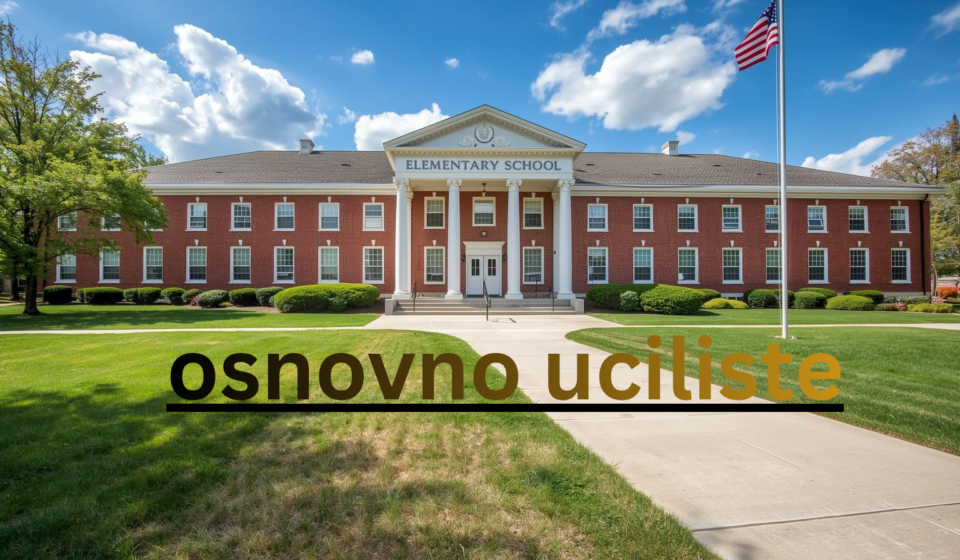

Osnovno učilište is a term used in several South Slavic languages that generally refers to a primary school or basic educational institution. The phrase is closely connected with elementary education, where children receive their first formal academic training and develop essential life skills. Primary education serves as the foundation of a student’s educational journey, helping young learners build knowledge in reading, writing, mathematics, science, social studies, and other important subjects.
Around the world, primary schools play a vital role in shaping future generations. They provide structured learning environments where children gain academic knowledge, social skills, critical thinking abilities, and personal development opportunities. The concept of osnovno učilište reflects the importance of early education and the role schools play in supporting both individual growth and community development.
This guide explores the meaning of osnovno učilište, its purpose, educational structure, benefits, challenges, and its continuing importance within modern education systems.
Quick Facts About Osnovno Učilište
| Feature | Details |
|---|---|
| Name | Osnovno Učilište |
| Type | Educational Institution |
| Category | Primary Education |
| Main Focus | Basic Learning |
| Core Strength | Foundational Education |
| Best For | Young Students |
| Education Level | Elementary School |
| Main Subjects | Reading, Writing, Mathematics |
| Student Age Group | Children |
| Learning Goal | Academic Development |
| Social Development | Yes |
| Skill Building | Essential Skills |
| Teaching Method | Classroom Learning |
| Educational Role | Foundation for Future Studies |
| Community Importance | High |
| Learning Environment | Structured |
| Industry | Education |
| Purpose | Student Growth |
| Global Relevance | Universal Education Concept |
| Long-Term Impact | Lifelong Learning Foundation |
What Is Osnovno Učilište?
Osnovno učilište generally refers to a primary or elementary school where children begin their formal education. These schools provide foundational knowledge and skills that prepare students for higher levels of learning.
Primary education focuses on helping children develop literacy, numeracy, communication, and social skills. During these early years, students learn how to interact with others, follow routines, solve problems, and understand the world around them.
The concept of osnovno učilište is important because it represents the starting point of structured education. The lessons learned during primary school often influence academic success and personal development later in life.
Every education system relies on strong primary schools to create a solid foundation for future learning and growth.
The Importance of Primary Education
Primary education is one of the most important stages in a person’s life.
It introduces children to basic academic subjects and teaches them how to learn effectively.
Key benefits include:
- Reading skills
- Writing skills
- Mathematical understanding
- Social development
- Communication abilities
These skills help students succeed in later education and everyday life.
Primary schools also encourage curiosity, creativity, and confidence. Children learn how to work independently while also cooperating with classmates.
The importance of primary education extends beyond academics because it helps shape responsible, informed, and capable individuals.
The History of Elementary Education
Formal elementary education has existed in various forms for centuries.
As societies developed, communities recognized the need to educate children in basic skills and knowledge.
Over time, governments introduced structured school systems to provide consistent educational opportunities.
Early primary schools often focused on:
- Reading
- Writing
- Arithmetic
- Moral instruction
Modern schools have expanded their curriculum to include science, technology, arts, physical education, and social studies.
The evolution of elementary education reflects society’s growing understanding of child development and learning needs.
Today, primary education remains a central part of national education systems around the world.
Core Subjects Taught in Osnovno Učilište
Primary schools teach a variety of subjects designed to provide balanced development.
Common subjects include:
- Language studies
- Mathematics
- Science
- Social studies
- Art
- Music
- Physical education
Each subject contributes to different areas of learning.
Language lessons improve communication and literacy skills. Mathematics develops logical thinking and problem-solving abilities. Science encourages curiosity and observation.
Together, these subjects create a comprehensive educational experience that supports both academic and personal growth.
A balanced curriculum helps students build knowledge across multiple areas while discovering their interests and talents.
The Role of Teachers
Teachers are among the most important people within any primary school.
They guide students through learning experiences, provide support, and create positive classroom environments.
Teachers help students:
- Understand lessons
- Develop confidence
- Improve behavior
- Build social skills
- Achieve academic goals
Effective teachers adapt their methods to meet the needs of different learners.
They also communicate with parents and contribute to student development beyond classroom instruction.
The influence of a good teacher often extends far beyond primary school and can leave lasting positive impressions on students.
Social Development in Primary Schools
Education is not only about academics.
Primary schools also help children develop important social skills.
Students learn how to:
- Work in groups
- Share ideas
- Respect others
- Resolve conflicts
- Build friendships
These experiences help prepare children for future personal and professional relationships.
Classroom activities, sports, projects, and school events provide opportunities for social interaction and teamwork.
Social development supports emotional well-being and contributes to a positive learning environment.
Primary schools play a major role in helping children become active and responsible members of society.
Building Essential Life Skills
Primary education helps students develop practical life skills that remain valuable throughout adulthood.
Examples include:
- Time management
- Responsibility
- Communication
- Problem-solving
- Organization
These skills support academic success while also preparing students for future challenges.
Children learn responsibility by completing assignments, following schedules, and participating in classroom activities.
As students gain confidence in their abilities, they become more independent and capable learners.
Life skills are often just as important as academic knowledge in supporting long-term success.
Technology in Modern Primary Education
Technology has become an important part of modern classrooms.
Many schools now use:
- Computers
- Tablets
- Educational software
- Online learning platforms
- Interactive displays
Technology can make lessons more engaging and accessible.
Digital tools help students explore information, practice skills, and collaborate with classmates.
Teachers also use technology to organize lessons and track student progress.
While traditional teaching remains important, technology continues expanding educational opportunities and enhancing learning experiences.
The integration of technology reflects the changing needs of modern education systems.
Parent Involvement and Student Success
Parents play an important role in education.
Research consistently shows that students often perform better when parents are actively involved in their learning.
Parents can support education by:
- Encouraging reading
- Helping with homework
- Attending school events
- Communicating with teachers
- Creating positive study habits
Strong cooperation between schools and families benefits students academically and socially.
Parent involvement reinforces learning and helps children understand the value of education.
Successful educational outcomes often result from partnerships between students, teachers, and families.
Extracurricular Activities and Student Growth
Primary schools often offer activities beyond traditional classroom instruction.
Examples include:
- Sports
- Music programs
- Art clubs
- School competitions
- Community projects
These activities help students explore interests and develop new skills.
Participation in extracurricular programs can improve confidence, teamwork, leadership, and creativity.
Students also gain opportunities to interact with peers in different settings.
Extracurricular experiences contribute to well-rounded development and support personal growth.
Challenges Facing Primary Education
Despite its importance, primary education faces several challenges.
Common issues include:
- Limited resources
- Teacher shortages
- Class size concerns
- Technology access
- Educational inequality
Addressing these challenges requires support from governments, communities, educators, and families.
Investments in education often produce long-term benefits for individuals and society as a whole.
Improving primary education remains a priority in many countries because of its lasting impact on future generations.
The Global Importance of Primary Schools
Primary education is recognized worldwide as a fundamental right.
International organizations support efforts to improve access to quality education for all children.
Benefits of widespread primary education include:
- Higher literacy rates
- Economic growth
- Better health outcomes
- Reduced poverty
- Stronger communities
Educated populations contribute to social stability and national development.
The global focus on education reflects its importance in creating opportunities and improving quality of life.
Primary schools remain at the center of these efforts.
The Future of Osnovno Učilište
The future of primary education will likely involve continued innovation and adaptation.
Emerging trends include:
- Personalized learning
- Digital education tools
- Inclusive classrooms
- Collaborative learning methods
- Global educational partnerships
Education systems continue evolving to meet the needs of modern societies and changing job markets.
Future primary schools may combine traditional teaching with advanced technology to create more engaging learning experiences.
Despite these changes, the core mission of primary education will remain the same: helping children build knowledge, skills, and confidence.
Learning More About Primary Education
People interested in educational systems can learn more through the Wikipedia article on elementary education.
Understanding how primary schools operate helps parents, students, and communities appreciate the value of foundational learning.
Education remains one of the most powerful tools for personal development and social progress.
Knowledge gained during the primary years often shapes future opportunities and achievements.
Conclusion
Osnovno učilište represents the essential concept of primary education, where children begin building the knowledge and skills needed for lifelong learning. Through academic instruction, social development, life skills training, and supportive learning environments, primary schools play a critical role in shaping future generations.
From reading and mathematics to teamwork and responsibility, students gain experiences that support both educational success and personal growth. As technology and teaching methods continue evolving, primary education will remain a cornerstone of modern society.
The importance of strong primary schools cannot be overstated, as they provide the foundation upon which all future learning is built.
Frequently Asked Questions
1. What does osnovno učilište mean?
Osnovno učilište generally refers to a primary or elementary school where children receive foundational education.
2. What subjects are taught in primary schools?
Common subjects include language studies, mathematics, science, social studies, art, music, and physical education.
3. Why is primary education important?
Primary education builds essential academic, social, and life skills that support future learning and personal development.
4. How do teachers help students?
Teachers provide instruction, guidance, support, and encouragement while helping students achieve academic and personal goals.
5. What is the future of primary education?
Future developments may include greater technology integration, personalized learning, inclusive education practices, and innovative teaching methods.