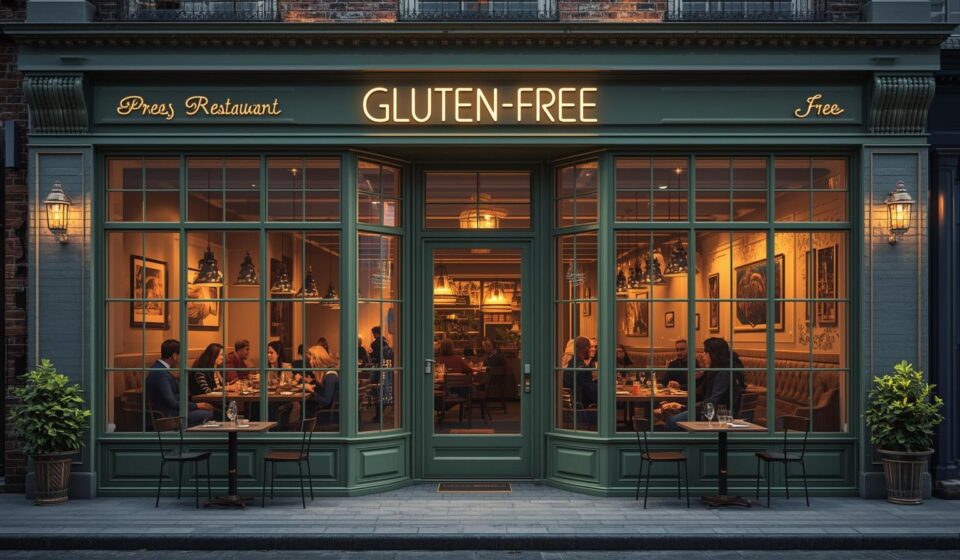

Gluten free restaurants are dining establishments that offer meals made without gluten-containing ingredients. Gluten is a protein found in wheat, barley, and rye. While many people can eat gluten without any issues, others avoid it because of medical conditions, dietary needs, or personal lifestyle choices. For individuals with Celiac Disease, consuming gluten can cause serious health problems. Others may have gluten sensitivity and feel better when avoiding foods that contain gluten.
As awareness about food allergies and dietary preferences grows, gluten free restaurants have become more common around the world. These restaurants focus on providing safe and enjoyable meals that allow customers to dine out with confidence. Some restaurants are completely gluten free, while others offer dedicated gluten free menus alongside traditional options.
This guide explains everything you need to know about gluten free restaurants, including how they work, what foods they serve, who benefits from them, and why they are becoming an important part of the modern dining industry.
Quick Facts About Gluten Free Restaurants
| Feature | Details |
|---|---|
| Name | Gluten Free Restaurants |
| Type | Dining Establishment |
| Category | Food and Beverage |
| Main Focus | Gluten Free Meals |
| Core Strength | Safe Dining Options |
| Best For | People Avoiding Gluten |
| Main Audience | Families and Individuals |
| Food Style | Various Cuisines |
| Common Dishes | Gluten Free Versions of Popular Meals |
| Health Focus | Dietary Safety |
| Ingredient Control | High Priority |
| Popularity | Growing Worldwide |
| Dining Options | Eat-In and Takeout |
| Menu Variety | Extensive in Many Locations |
| Safety Measures | Cross-Contamination Prevention |
| Suitable For | Gluten-Free Diets |
| Industry | Restaurant and Hospitality |
| Customer Benefit | Peace of Mind |
| Trend Status | Increasing Demand |
| Future Potential | Strong Growth |
What Are Gluten Free Restaurants?
Gluten free restaurants are food establishments that prepare meals without gluten-containing ingredients. Their primary goal is to provide safe dining experiences for customers who need or prefer gluten free food.
Some restaurants operate entirely gluten free kitchens, meaning every item on the menu is free from gluten. Others offer dedicated gluten free options while also serving traditional foods.
The growing popularity of gluten free dining reflects increased awareness about food sensitivities and dietary health. More customers now seek restaurants that clearly identify ingredients and provide alternatives for specific dietary needs.
These restaurants often train staff to understand gluten-related concerns and follow preparation methods that reduce the risk of cross-contamination.
As demand grows, gluten free dining continues expanding across many cuisines and restaurant styles.
Understanding Gluten
Gluten is a protein naturally found in several grains.
Common sources include:
- Wheat
- Barley
- Rye
Gluten helps foods maintain structure and texture. It is commonly found in:
- Bread
- Pasta
- Cakes
- Cookies
- Pizza dough
- Cereals
Many processed foods also contain hidden sources of gluten.
While gluten is safe for most people, some individuals must avoid it entirely due to health concerns.
Understanding which foods contain gluten helps both restaurants and customers make informed choices.
This knowledge is essential for creating safe and enjoyable dining experiences.
Who Needs Gluten Free Food?
Several groups may benefit from gluten free meals.
These include people with:
- Celiac disease
- Non-celiac gluten sensitivity
- Wheat allergies
- Personal dietary preferences
For individuals with celiac disease, avoiding gluten is medically necessary.
Even small amounts of gluten can trigger health problems.
Others may choose gluten free diets because they feel better when avoiding certain foods.
Restaurants that provide gluten free options help meet the needs of these diverse customer groups.
The growing demand has encouraged many establishments to expand their menus and improve ingredient transparency.
Why Gluten Free Restaurants Are Growing
Demand for gluten free dining has increased significantly over the past decade.
Several factors contribute to this growth:
- Greater health awareness
- Increased diagnosis of celiac disease
- More dietary education
- Consumer demand for food transparency
- Expanding specialty food markets
Restaurants recognize the importance of serving customers with different dietary requirements.
Providing gluten free options helps attract a broader customer base and improve accessibility.
As awareness continues growing, gluten free dining is becoming a standard offering in many parts of the food industry.
Common Foods Served in Gluten Free Restaurants
Gluten free restaurants offer a wide variety of dishes.
Popular options include:
- Grilled meats
- Fresh vegetables
- Rice dishes
- Gluten free pasta
- Salads
- Soups
- Seafood
- Fruit-based desserts
Many restaurants also create gluten free versions of traditional favorites.
These may include:
- Pizza
- Burgers
- Sandwiches
- Cakes
- Cookies
Advances in food production have made gluten free ingredients more accessible and versatile.
Today’s gluten free menus often provide choices that closely resemble traditional dishes.
How Restaurants Prevent Cross-Contamination
Cross-contamination occurs when gluten free foods come into contact with gluten-containing ingredients.
Preventing this is especially important for customers with celiac disease.
Common prevention methods include:
- Separate preparation areas
- Dedicated cooking equipment
- Special storage procedures
- Staff training
- Clear labeling
Many gluten free restaurants follow strict food-handling practices.
These precautions help reduce risks and improve customer confidence.
Effective cross-contamination prevention is one of the most important aspects of gluten free dining.
Benefits of Gluten Free Restaurants
Gluten free restaurants provide several advantages.
Benefits include:
- Safe dining environments
- Greater menu transparency
- More dietary choices
- Reduced food-related stress
- Improved accessibility
For people who must avoid gluten, dining out can sometimes feel challenging.
Restaurants that specialize in gluten free meals simplify the experience and allow customers to enjoy meals with greater confidence.
These establishments contribute to a more inclusive dining culture that accommodates diverse dietary needs.
Popular Cuisines with Gluten Free Options
Many cuisines naturally include gluten free foods.
Examples include:
- Mexican cuisine
- Thai cuisine
- Indian cuisine
- Mediterranean cuisine
- Japanese cuisine
Rice, vegetables, meats, seafood, and legumes form the foundation of many traditional dishes that are naturally gluten free.
Restaurants often adapt recipes to remove gluten-containing ingredients while maintaining authentic flavors.
This flexibility has helped gluten free dining become more diverse and appealing.
Reading Gluten Free Menus
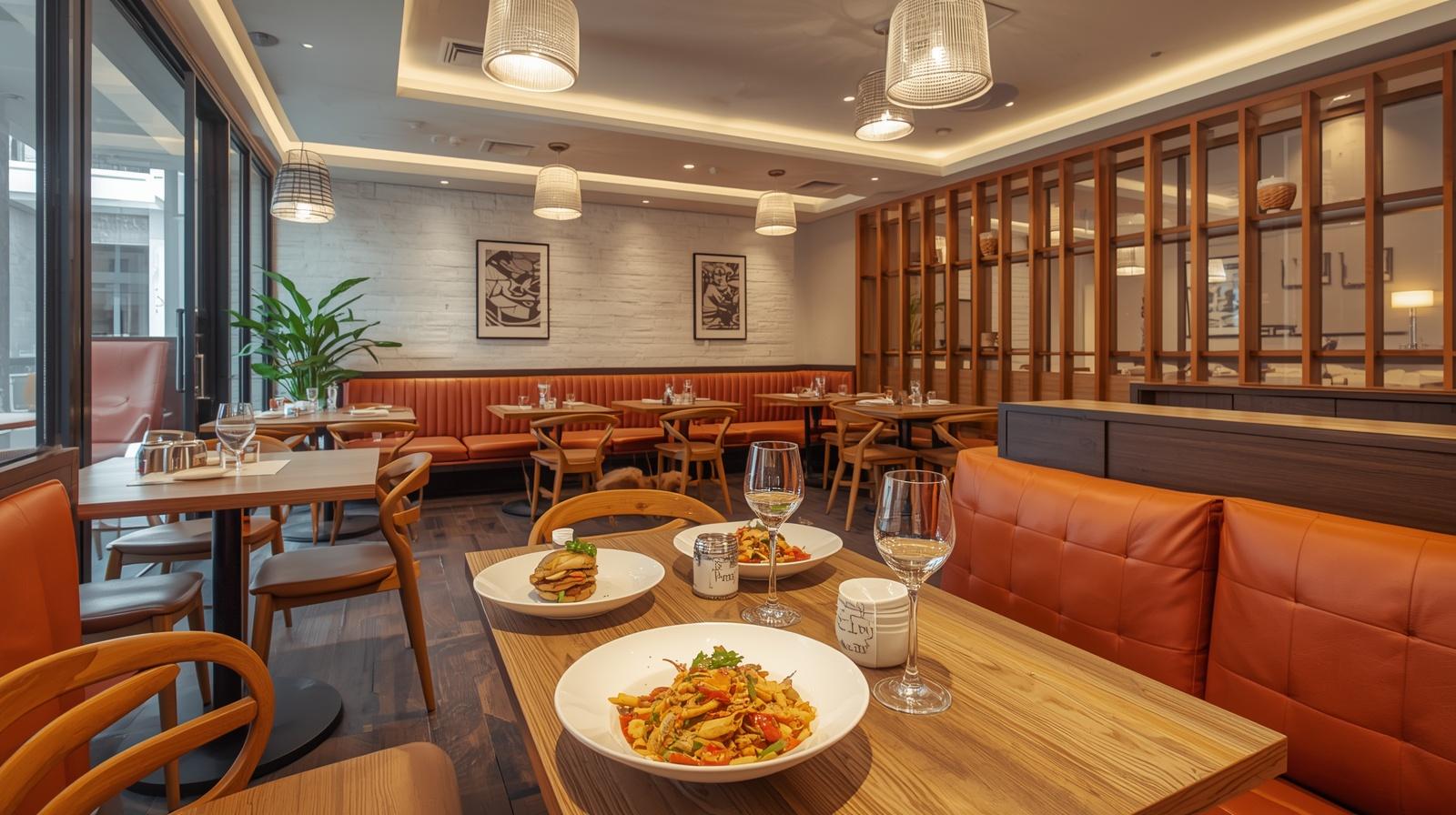
Gluten free menus are designed to help customers identify suitable options.
Important menu features may include:
- Gluten free symbols
- Ingredient lists
- Allergen information
- Staff recommendations
Clear communication benefits both customers and restaurants.
When menus provide accurate information, diners can make choices more confidently.
Customers should also feel comfortable asking questions about ingredients and preparation methods when needed.
Good communication improves the overall dining experience.
The Role of Food Education
Education plays an important role in gluten free dining.
Restaurant staff often receive training on:
- Gluten sources
- Food preparation
- Allergen safety
- Customer communication
Consumers also benefit from learning about ingredients and food labels.
Increased awareness helps create safer dining environments and improves understanding of dietary needs.
Education continues driving positive changes within the restaurant industry.
Technology and Gluten Free Dining
Technology has made gluten free dining easier.
Modern tools include:
- Restaurant review apps
- Online menus
- Food allergy filters
- Customer reviews
- Mobile ordering systems
These resources help diners locate restaurants that meet their dietary requirements.
Technology also improves communication between restaurants and customers.
Digital tools continue making dining more convenient and accessible for people following gluten free diets.
Challenges Faced by Gluten Free Restaurants
Despite growing demand, gluten free restaurants face challenges.
These include:
- Ingredient costs
- Staff training requirements
- Cross-contamination risks
- Menu development
- Customer education
Maintaining strict standards requires ongoing attention and investment.
However, many restaurants view these efforts as worthwhile because they help serve an important and growing customer base.
The industry’s continued growth suggests strong long-term demand for gluten free dining options.
The Future of Gluten Free Restaurants
The future of gluten free dining looks promising.
Emerging trends include:
- Expanded menu options
- Better ingredient availability
- Increased consumer awareness
- More dedicated gluten free kitchens
- Improved food labeling
Restaurants continue adapting to changing dietary preferences and health needs.
As demand increases, gluten free dining is likely to become even more accessible and diverse.
Innovation within food production and restaurant operations will support further growth.
Learning More About Gluten Free Diets
People interested in learning more about gluten free eating can explore information about the gluten-free diet and related health conditions.
The Wikipedia article on Gluten-Free Diet provides useful background about dietary practices, food choices, and health considerations associated with avoiding gluten.
Understanding these topics helps consumers make informed decisions when selecting restaurants and planning meals.
Conclusion
Gluten free restaurants play an important role in modern dining by providing safe, enjoyable, and accessible meal options for people who avoid gluten. Whether serving individuals with celiac disease, gluten sensitivity, wheat allergies, or personal dietary preferences, these establishments help create inclusive dining experiences.
Through careful ingredient selection, staff training, and cross-contamination prevention, gluten free restaurants support customer health and confidence. As awareness continues growing, the demand for gluten free dining is expected to expand further.
The future of gluten free restaurants looks bright, with more menu variety, improved accessibility, and continued innovation helping meet the needs of today’s diverse dining community.
Frequently Asked Questions
1. What is a gluten free restaurant?
A gluten free restaurant is a dining establishment that serves meals made without gluten-containing ingredients.
2. Who benefits from gluten free restaurants?
People with celiac disease, gluten sensitivity, wheat allergies, or personal dietary preferences may benefit from gluten free dining.
3. What foods contain gluten?
Gluten is commonly found in wheat, barley, rye, bread, pasta, baked goods, and many processed foods.
4. How do gluten free restaurants prevent contamination?
They often use separate preparation areas, dedicated equipment, staff training, and careful ingredient handling procedures.
5. Are gluten free restaurants becoming more popular?
Yes. Increased health awareness and growing demand for dietary accommodations have contributed to the rise of gluten free restaurants worldwide.