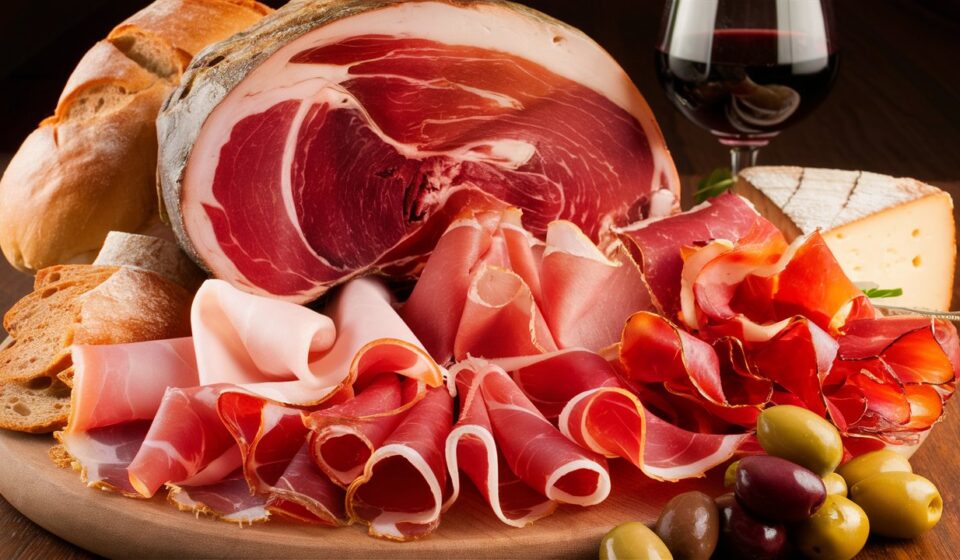

Prosecchini is a small Italian food item made in a style similar to cured meats and fine deli snacks. The word is often used to describe small, bite-sized versions of traditional Italian cured products that are designed for easy eating, serving, and sharing. These are commonly enjoyed as appetizers, snacks, or part of a mixed food platter.
In simple terms, prosecchini refers to mini portions of cured or processed meat-based foods inspired by Italian culinary traditions. They are valued for their rich flavor, soft texture, and convenience. People often serve them during gatherings, celebrations, or as part of antipasto platters alongside cheese, olives, and bread.
Because Italian cuisine is widely loved around the world, terms like prosecchini appear in food discussions, menus, and online searches. This guide explains what prosecchini means, how it is used, its food style, serving ideas, and why it has become a point of interest in modern food culture.
Quick Facts Table
| Category | Information |
|---|---|
| Name | Prosecchini |
| Type | Food Item |
| Category | Italian Cuisine |
| Main Focus | Bite-sized cured food |
| Core Strength | Flavor and convenience |
| Best For | Appetizers and snacks |
| Use Cases | Parties, platters, dining |
| Origin Style | Italian food tradition |
| Texture | Soft to firm cured texture |
| Serving Style | Cold or room temperature |
| Flavor Profile | Savory, rich, salty |
| Common Pairings | Cheese, bread, olives |
| Food Group | Meat-based snack |
| Popular Setting | Social gatherings |
| Cuisine Type | Mediterranean |
| Preparation Style | Cured or processed |
| Storage | Refrigerated |
| Serving Size | Small bite portions |
| Popularity | Niche culinary term |
What Is Prosecchini?
Prosecchini refers to small, bite-sized portions of cured or processed meat products inspired by Italian culinary traditions. These items are typically served as part of appetizers or snack platters. The idea behind prosecchini is convenience—offering the rich flavor of traditional cured meats in smaller, easier-to-eat portions.
In Italian food culture, sharing food is an important tradition. Small plates and appetizers are commonly served before main meals. Prosecchini fits perfectly into this style of eating because it is designed for sharing and tasting rather than large individual servings.
Although not as widely known as prosciutto or salami, prosecchini follows a similar flavor tradition. It is often associated with gourmet platters, wine pairings, and social dining experiences.
Origin and Culinary Background
Prosecchini is connected to the broader tradition of Italian cured meats, which has existed for centuries. Italy is known for its regional food diversity, where each area develops its own methods of curing, seasoning, and preparing meats.
The idea of making smaller portions likely comes from modern food service needs. Restaurants and catering services often prefer bite-sized servings because they are easier to serve and more visually appealing on platters.
While prosecchini is not a formal historical category like prosciutto, it represents a modern adaptation of Italian food culture. It reflects how traditional foods evolve to meet modern dining styles.
Ingredients Used
The ingredients used in prosecchini depend on the specific type of cured meat being adapted. However, common ingredients include pork, salt, herbs, and natural seasonings.
Salt is a key ingredient because it helps preserve the meat and enhance flavor. Herbs such as rosemary, garlic, and pepper are often used to add aroma and taste.
In some variations, wine or spices may be included during preparation. These ingredients contribute to the rich and savory profile associated with Italian cured meats.
The simplicity of ingredients is one reason why these foods are popular in Mediterranean cuisine.
Preparation Process
The preparation of prosecchini follows traditional curing methods used in Italian meat production. The process usually includes salting, seasoning, and air-drying.
Curing helps preserve the meat while developing its flavor over time. The meat is carefully stored in controlled environments where temperature and humidity are monitored.
After curing, the meat is cut into small portions or slices, creating bite-sized pieces suitable for serving as prosecchini.
This preparation process requires patience and skill, as proper curing is essential for both safety and taste.
Texture and Flavor Profile
Prosecchini typically has a rich, savory flavor with a slightly salty taste. The texture depends on the curing process but is generally firm yet tender enough to chew easily.
The flavor is influenced by spices and herbs used during preparation. Some versions may have a stronger taste, while others are milder and more delicate.
Because of its concentrated flavor, prosecchini is often served in small portions. This allows people to enjoy the taste without overwhelming the palate.
It pairs well with other mild foods like cheese and bread, balancing strong and soft flavors in a meal.
How Prosecchini Is Served
Prosecchini is usually served cold or at room temperature. It is commonly arranged on platters alongside other appetizers.
Popular serving combinations include:
- Cheese boards
- Bread and crackers
- Olives and pickles
- Wine pairings
It is often part of antipasto platters, which are traditional Italian starters served before the main meal.
Presentation is an important part of serving prosecchini. Chefs often arrange it in visually appealing patterns to enhance the dining experience.
Food Culture and Importance
In Italian culture, food is not just about eating—it is about sharing and enjoying time together. Prosecchini fits into this culture by offering a simple and social way to enjoy cured meats.
Appetizers like prosecchini are commonly served during family gatherings, celebrations, and restaurant dining.
This style of eating encourages slow dining and conversation, which is a key part of Mediterranean food culture.
Even in modern restaurants, traditional food styles continue to influence menus and presentation.
Modern Usage in Restaurants
Today, prosecchini is often found in modern Italian restaurants and gourmet food menus. Chefs use it as part of appetizer selections or tasting menus.
It is especially popular in fine dining settings where small plates are used to create diverse food experiences.
Restaurants may also pair prosecchini with wines to enhance flavor combinations.
Its bite-sized nature makes it ideal for catering events, buffets, and social gatherings.
Nutritional Aspects
Like most cured meats, prosecchini contains protein and fats. It is generally high in flavor but should be eaten in moderation due to salt content.
Protein helps support muscle function, while fats provide energy. However, cured meats are not usually considered everyday health foods.
Balanced eating is important, so prosecchini is best enjoyed as part of a varied diet that includes vegetables, grains, and fresh foods.
Storage and Handling
Proper storage is important to maintain freshness and safety. Prosecchini should typically be stored in cool conditions, often refrigerated.
Once opened, it should be consumed within a short period to maintain quality.
Proper packaging helps prevent drying out or contamination.
In restaurants, food safety standards ensure that cured meats are handled carefully before serving.
Why People Search for Prosecchini
People search for prosecchini for several reasons:
- Curiosity about Italian food terms
- Interest in gourmet appetizers
- Restaurant menu research
- Food blogging and SEO content
- Culinary learning
Because Italian cuisine is popular worldwide, even niche terms can generate search interest.
Understanding these foods helps readers appreciate global food culture better.
Related Italian Foods
Prosecchini is part of a broader category of Italian cured and appetizer foods. Related items include:
- Prosciutto
- Salami
- Pancetta
- Antipasto platters
- Cheese boards
These foods share similar preparation methods and cultural importance.
Conclusion
Prosecchini is a bite-sized food concept inspired by traditional Italian cured meats. It is designed for easy serving, sharing, and enjoying as part of appetizers or platters. With its rich flavor, simple ingredients, and cultural roots, it fits well into modern dining experiences.
Although it is not as widely known as other Italian foods, prosecchini represents the evolving nature of cuisine. It combines tradition with modern convenience, making it suitable for restaurants, gatherings, and gourmet food experiences.
Understanding foods like prosecchini helps us appreciate how culinary traditions continue to adapt while preserving their original identity.
FAQs
1. What is prosecchini?
Prosecchini refers to small bite-sized portions of Italian-style cured meat used as appetizers.
2. Is prosecchini a traditional Italian food?
It is inspired by Italian cured meat traditions but is more of a modern serving style concept.
3. How is prosecchini served?
It is usually served cold or at room temperature on appetizer platters.
4. What does prosecchini taste like?
It has a savory, slightly salty flavor with a rich cured meat taste.
5. Where is prosecchini used?
It is used in restaurants, catering events, and home appetizer platters.