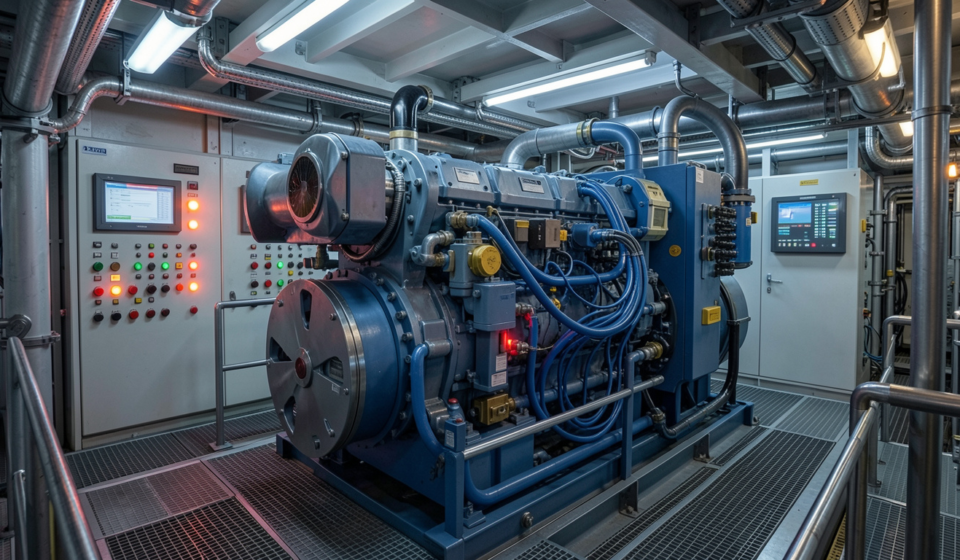

If you have searched for marinegensets.com, you are likely looking for information about marine generator sets and the equipment used to provide dependable electrical power on boats, ships, yachts, workboats, and other vessels. The name itself strongly suggests a focus on marine gensets, but a domain name should not be treated as proof of a company’s products, ownership, or reputation.
That distinction matters when researching an unfamiliar website. Before buying equipment or sharing personal information, it is sensible to verify who operates the site, what products it actually offers, where those products come from, and whether technical support is available.
At the same time, the subject behind the keyword is important. A marine genset is not simply an ordinary land-based generator placed on a boat. Marine generator systems have to operate in a demanding environment where space is limited, saltwater exposure is common, ventilation must be managed carefully, and reliable electrical power can be essential for navigation, communication, refrigeration, pumps, hotel loads, and other onboard systems.
This guide explains what marinegensets.com suggests as a topic, how marine generator sets work, what buyers should look for, and how to evaluate a marine genset before making a purchasing decision.
What Is MarineGensets.com?
MarineGensets.com is a domain name centered around the marine genset category. However, publicly available search results do not provide enough reliable information to confidently attribute a specific company, manufacturer, product catalog, or service history to the domain.
That means readers should avoid assuming that MarineGensets.com is an authorized dealer, manufacturer, distributor, or service provider unless the website itself provides verifiable evidence.
The broader term marine gensets refers to generator sets designed for marine applications. These systems normally combine an engine with an alternator, controls, cooling equipment, exhaust arrangements, and other components needed to produce electrical power aboard a vessel.
Major marine power manufacturers describe gensets as systems used for applications ranging from auxiliary electrical power to diesel-electric propulsion. For example, Cummins lists marine generator sets from small recreational applications through much larger commercial systems, while Wärtsilä offers marine gensets designed for auxiliary power and diesel-electric propulsion.
Therefore, if you encountered marinegensets.com while researching marine power equipment, it is useful to understand the equipment category before evaluating a particular website or supplier.
How Marine Gensets Work on a Vessel
A marine genset converts mechanical energy from an engine into electrical energy through an alternator.
The basic process is straightforward. Fuel powers the engine, the engine turns the generator’s rotating components, and the alternator produces electricity. The resulting electrical power can then be distributed through the vessel’s electrical system.
A complete marine genset usually involves much more than the engine and alternator.
Depending on the design, the system may include:
- Diesel or alternative-fuel engine
- Alternator
- Engine control system
- Generator control panel
- Cooling system
- Fuel system
- Exhaust system
- Air intake and ventilation
- Starting system
- Protection and monitoring equipment
- Mounting and vibration isolation
Marine conditions make these components especially important.
The generator must cope with vibration, temperature changes, humidity, restricted machinery spaces, and exposure to a corrosive saltwater environment. The system also needs appropriate cooling and exhaust arrangements for the vessel.
Modern marine generator manufacturers increasingly focus on efficiency, emissions compliance, remote monitoring, and lifecycle support. Wärtsilä, for example, describes its marine gensets as being designed around efficiency, emissions compliance, reliability, and lifecycle performance.
That makes the complete system more important than simply choosing an engine with a suitable power rating.
Why Marine Gensets Are Important
Reliable electricity is a major part of modern vessel operation.
On a recreational boat, a generator may support air conditioning, refrigeration, battery charging, water heaters, cooking equipment, lighting, entertainment systems, and other hotel loads.
On commercial vessels, the electrical demand can be much greater. Pumps, navigation equipment, communications, control systems, refrigeration, cargo systems, workshops, accommodation areas, and safety equipment may all depend on electrical power.
Some vessels also use generator sets as part of diesel-electric propulsion systems. Cummins states that its marine generator sets can provide service and emergency power as well as diesel-electric propulsion for different vessel types.
This is why marine genset selection requires careful engineering.
A generator that is too small may struggle under heavy loads. Excessive loading can lead to poor performance, overheating, voltage or frequency problems, and accelerated wear.
A generator that is much larger than necessary can also create problems. Oversizing may increase purchase cost, installation requirements, fuel consumption, and maintenance demands.
The goal is to select a system that matches the vessel’s actual electrical requirements and operating profile.
Choosing the Right Marine Genset
Choosing a marine genset starts with understanding the vessel.
The first question is usually how much electrical power is required. Add the expected running loads and then account for equipment that starts intermittently, such as compressors, pumps, air conditioning systems, and motors.
Starting loads can be particularly important because certain electrical equipment briefly demands substantially more power when switched on.
The next consideration is the generator’s kW or kVA rating.
These ratings are related but not identical. Electrical engineers often use both when evaluating generator capacity because real and apparent power are affected by the vessel’s load characteristics and power factor.
Fuel type also matters.
Diesel remains widely used in marine generator applications because of its energy density, established infrastructure, and suitability for many commercial and recreational vessels. However, manufacturers are also developing genset solutions involving dual-fuel and alternative fuels.
Wärtsilä, for example, lists diesel, dual-fuel LNG, and sustainable-fuel options within its marine genset portfolio.
Physical dimensions are another major consideration.
A marine generator must fit into the machinery space while leaving enough room for inspection, servicing, ventilation, exhaust routing, and safe operation.
Weight matters too.
Adding a large generator affects the vessel’s weight distribution and potentially its trim. For smaller vessels, this can be especially significant.
Finally, consider service availability. A technically excellent generator can become a poor choice if replacement parts and qualified technicians are difficult to access where the vessel operates.
Marine Genset Maintenance and Reliability
Regular maintenance is one of the best ways to protect a marine generator investment.
The exact maintenance schedule depends on the manufacturer, engine model, operating hours, fuel type, duty cycle, and environmental conditions. Always follow the manufacturer’s service documentation rather than relying on a generic schedule.
Common maintenance areas include:
Engine oil and filters: Oil condition and filter replacement are fundamental to engine health.
Cooling system: Marine cooling arrangements require careful attention because restricted water flow or fouling can cause overheating.
Fuel system: Contaminated fuel and water can create serious problems for diesel engines and injection equipment.
Air intake: Dirty filters can restrict airflow and reduce engine performance.
Exhaust system: Leaks, corrosion, and poor routing should be addressed promptly.
Belts and hoses: These components can deteriorate with age, heat, and vibration.
Battery and starting system: A generator is of limited value if it cannot start when needed.
Electrical connections: Loose or corroded connections can produce unreliable operation and overheating.
Marine environments can accelerate corrosion, so inspection deserves particular attention.
Modern marine engines can also benefit from condition monitoring and predictive maintenance. Recent research into marine-engine fault detection demonstrates growing interest in using sensor data to identify issues involving cooling, air intake, fuel injection, turbocharging, and other systems before failures become severe.
For commercial operators, this type of monitoring can potentially help reduce unexpected downtime.
Safety Considerations for Marine Generators
Safety should always be part of marine genset planning.
Generators involve fuel, exhaust gases, electricity, heat, moving machinery, and potentially confined machinery spaces. Poor installation or maintenance can therefore create serious risks.
Exhaust gases are particularly important.
Carbon monoxide is colorless and odorless, and a poorly designed or damaged exhaust system can allow dangerous gases to enter occupied areas. Proper exhaust installation and ventilation should follow applicable marine standards and manufacturer requirements.
Fuel systems also need careful inspection. Leaks, damaged hoses, loose fittings, and improperly stored fuel can create fire hazards.
Electrical systems require appropriate protection as well. Generator output should be correctly integrated with the vessel’s distribution system, breakers, grounding arrangements, and other protective equipment.
Do not attempt complex generator modifications without qualified marine electrical or mechanical expertise.
This is particularly important when installing a high-output genset or integrating multiple generators into a vessel’s power management system.
What to Check Before Buying From MarineGensets.com
If you are considering marinegensets.com as a potential source for equipment, verify the website before committing to a purchase.
Start with the business identity.
Look for a clearly stated company name, physical location, telephone number, email address, and registration information where applicable.
Then examine the product information.
A legitimate technical supplier should provide meaningful specifications rather than vague marketing descriptions. Depending on the generator, you may want to see information about:
- Rated kW and kVA
- Voltage
- Frequency
- Engine model
- Fuel type
- RPM
- Cooling arrangement
- Dimensions
- Weight
- Fuel consumption
- Emissions certification
- Noise level
- Warranty
- Service requirements
- Replacement parts
Ask whether the equipment is new, used, refurbished, or surplus.
That distinction can have a major effect on price and expected service life.
You should also ask about installation.
Marine generator installation is not simply a matter of connecting a generator and turning it on. Exhaust, cooling water, ventilation, fuel supply, electrical integration, vibration isolation, and physical mounting all need to be considered.
If the seller cannot provide clear technical information or refuses to explain warranty and after-sales support, consider getting quotes from established marine power suppliers as well.
Frequently Asked Questions About MarineGensets.com
What is MarineGensets.com?
MarineGensets.com is a domain associated by its name with marine generator sets. However, available information is not sufficient to independently confirm the specific company or services behind the domain. Verify the website’s ownership and current offerings before making a purchase.
What is a marine genset?
A marine genset is a generator set designed for use aboard a vessel. It generally combines an engine, alternator, controls, cooling, exhaust, fuel, and other systems required to produce electrical power in marine conditions.
Are marine gensets different from normal generators?
Yes. Marine generator systems need to account for vibration, corrosion, restricted machinery spaces, cooling requirements, exhaust arrangements, vessel movement, and marine electrical standards.
What fuel do marine gensets use?
Diesel is widely used, particularly for commercial and larger marine applications. Alternative solutions also exist, including dual-fuel and other lower-emission options. Wärtsilä, for example, offers marine gensets covering diesel, dual-fuel LNG, and sustainable-fuel applications.
How much power does a marine genset provide?
Marine gensets range from relatively small units for recreational boats to very large systems for commercial vessels. Cummins lists marine generator products ranging from small Onan units through C Power systems exceeding 1 MW.
How do I size a marine generator?
Start by calculating the vessel’s expected electrical load, including running loads and equipment starting requirements. A marine electrical professional can then help determine an appropriate generator rating and system configuration.
How often should a marine genset be serviced?
The correct interval depends on the manufacturer, model, operating hours, and duty cycle. Follow the engine and genset manufacturer’s maintenance schedule and increase inspection attention when operating in demanding marine environments.
Should I buy a used marine genset?
A used unit can make sense when its service history, operating hours, condition, parts availability, and inspection results are clear. Have a qualified technician assess the generator before purchasing when possible.
Final Thoughts on MarineGensets.com
Marinegensets.com is a keyword that points toward an important marine engineering category: generator sets designed to provide electrical power aboard vessels. While the domain name clearly relates to marine gensets, it is important not to assume that the website represents a particular manufacturer or authorized distributor without verifying its current business information.
The underlying technology is well established. Marine gensets can provide auxiliary power for recreational boats, commercial vessels, offshore equipment, government vessels, and other marine applications. Manufacturers such as Cummins and Wärtsilä offer systems ranging from relatively compact generator sets to large commercial solutions, including equipment designed for diesel-electric propulsion.
For buyers, power rating should never be the only consideration. Installation space, fuel consumption, cooling, exhaust, emissions requirements, noise, vibration, service access, parts availability, warranty, and long-term operating costs all matter.
If you are researching marinegensets.com in 2026, verify the identity and reputation of the website before purchasing anything. Compare specifications with established manufacturers, request complete technical documentation, and make sure the proposed generator is appropriate for your vessel and operating environment.
A well-selected marine genset can provide years of dependable service. The key is choosing the right system for the vessel, installing it correctly, and maintaining it according to the manufacturer’s requirements.
Read Also: Lorna Hajdini: Career, JPMorgan Role and 2026 Case