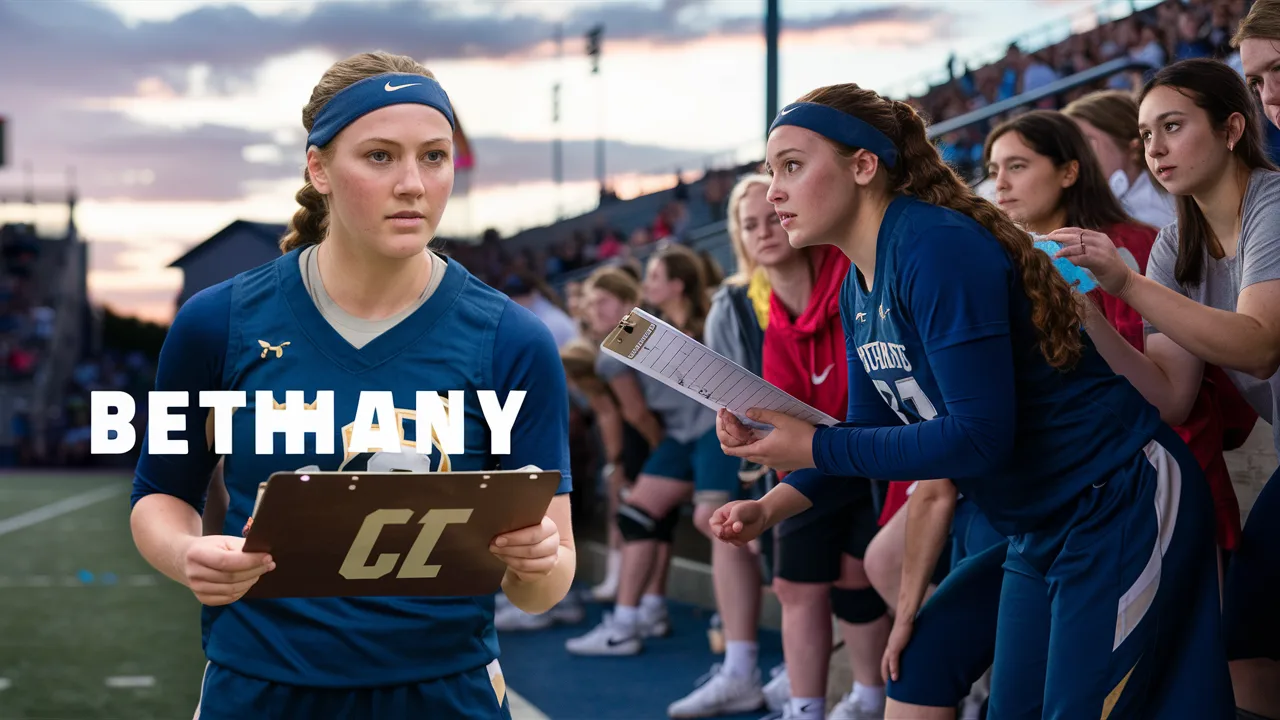

There’s something oddly modern about the phrase Bethany Sports Login. It doesn’t sound like sport at first. It sounds like access. A gateway. A small digital door you pass through before anything physical even begins. And maybe that’s the quiet shift worth paying attention to.
In today’s sports and fitness culture, the experience doesn’t start on the field anymore. It starts on a screen. A login page. A username. A password you forget at least once. Then suddenly you’re inside a system that tracks, schedules, organizes, and sometimes even defines your relationship with sport itself.
Interestingly, what used to be spontaneous—showing up, playing, leaving sweaty and tired—now begins with structure. With identity. With a portal. Bethany Sports Login, in that sense, isn’t just a technical step. It’s part of a wider cultural habit where access is curated, not assumed.
And that raises a simple but uncomfortable question: when did sport become something we log into before we live it?
Background and Origins of Bogeys Sports Park
To understand how something like Bethany Sports Login fits into modern sports culture, it helps to step slightly sideways first, toward places like Bogeys Sports Park and similar recreational ecosystems that blend physical activity with digital management systems.
These environments didn’t appear suddenly. They evolved from older sports infrastructures—community grounds, club memberships, school teams—where participation was informal and largely physical. You turned up, you played, you left. No layers in between.
But as sports spaces became more organized, more commercial, and more data-driven, systems started to appear. Booking systems. Membership dashboards. Performance tracking tools. And eventually, full login-based ecosystems that tied your identity to your activity.
In many ways, Bethany Sports Login represents that shift. Not necessarily a place, but a system of access that reflects how sports environments are now managed.
What stands out is how quickly this became normal. Nobody really debated it. It just… happened. One day you were registering in person, and the next you were logging in before even thinking about participation.
That said, this shift didn’t remove the physical side of sports. It layered something new on top of it. A digital shadow that now travels with every game, every booking, every session.
How the Concept Works in Real Life
On the surface, Bethany Sports Login is simple: a digital entry point. You sign in, you access schedules, bookings, memberships, and sometimes even performance records. But in practice, it quietly shapes how people engage with sport long before they physically arrive anywhere.
For regular users, the login becomes a habit. Something done without much thought. A quick entry ritual before activity begins. For others, especially occasional users, it can feel slightly more complicated—password resets, verification steps, account links.
Interestingly, this small friction at the entrance is often the first emotional interaction people have with a sports system. Not the game itself. Not the facility. But the login.
A visitor might describe it casually: “It’s the first thing you do before you even feel like you’re going to play.”
And that sentence says more than it seems.
Because once inside, everything becomes organized. Timings are clearer. Bookings are structured. Participation feels managed rather than improvised. That can be helpful—especially in busy sports environments—but it also changes the tone of engagement.
Sport becomes something scheduled first, experienced second.
That shift isn’t necessarily negative. But it is significant.
What Visitors Actually Experience
From a user perspective, Bethany Sports Login is often invisible after the first few interactions. People don’t think about it much once they’re inside the system. But its effects are everywhere.
You arrive at a facility knowing your slot is confirmed. You check updates before leaving home. You might even track changes or notifications in advance. There’s a quiet reassurance in that structure.
What stands out is the predictability it brings. No guessing, no uncertainty. Everything is pre-organized.
But there’s also a subtle trade-off.
Some users describe a feeling that sport becomes slightly less spontaneous. You don’t just “turn up and see what happens” anymore. You check availability. You confirm login status. You follow system prompts.
A regular participant once put it in a simple way: “It’s easier now, but it feels like less of a surprise.”
And that’s the tension at the heart of systems like this. Convenience versus spontaneity.
Still, the experience isn’t purely digital. Once people are physically present, the system fades into the background. The games, the movement, the energy—those remain unchanged. The login is just the entry point, not the destination.
But entry points matter more than we admit.
Family, Friends, and Social Culture Around It
One of the more interesting side effects of systems like Bethany Sports Login is how they reshape social coordination.
Families now plan activities with a level of clarity that didn’t exist before. Who is booked, when, and where becomes part of everyday conversation. It removes confusion, but also adds a layer of pre-planning that didn’t used to exist.
Friend groups rely on it even more. Coordinating schedules becomes easier when everything is visible in one system. But at the same time, spontaneity often gets replaced by structured coordination.
Interestingly, this doesn’t reduce participation. If anything, it often increases it. People are more likely to show up when everything is confirmed in advance.
But socially, something shifts.
Sport becomes less about “meeting by chance at the ground” and more about “meeting through a shared system.” The social glue is still there, but it runs through a digital layer first.
In many ways, Bethany Sports Login becomes part of group identity. Not in a dramatic sense, but in a practical one. Everyone uses it. Everyone depends on it. It quietly organizes shared time.
And shared time is really what sport has always been about.
Why People Keep Coming Back
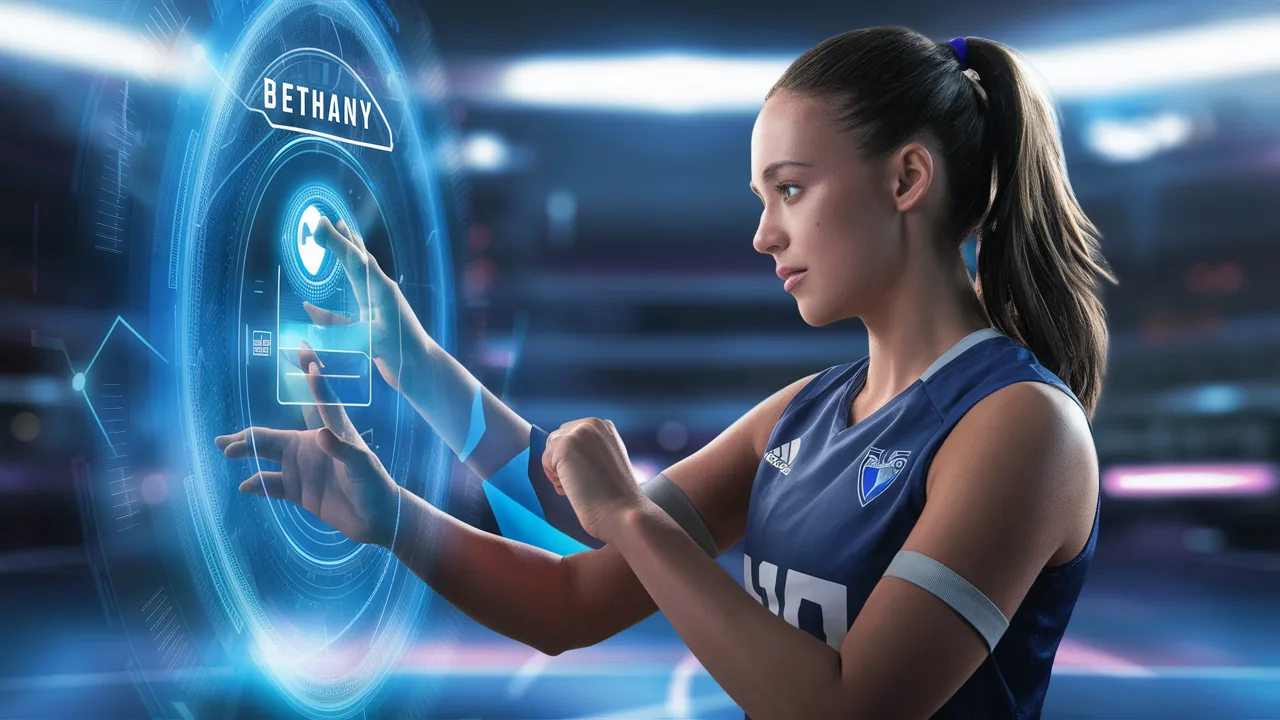
Despite the digital layer, people continue returning to systems like Bethany Sports Login—and the facilities connected to it—because it simplifies something that used to be messy.
There’s comfort in structure. Knowing your booking is secure. Knowing your schedule is locked. Knowing you won’t arrive and be turned away.
That reliability becomes the reason people stay.
That said, there’s also something deeper. Once users are inside a system, leaving it becomes unnecessary. Everything is centralized. Everything is stored. Everything is repeatable.
A user might say: “It just makes everything easier, so you stop thinking about it.”
And that “stop thinking” part is important. It reduces friction, but it also reduces mental load. Sport becomes part of routine rather than negotiation.
Over time, routines become habits. And habits become expectations.
That’s why people come back—not just to play, but to maintain a system that now organizes part of their lifestyle.
Role in Modern Entertainment Lifestyle
Bethany Sports Login sits inside a much larger shift in how entertainment and physical activity now operate.
We live in a time where almost everything is accessed through systems—apps, portals, dashboards. Sport is no exception. In fact, it’s becoming one of the most system-dependent forms of entertainment.
What’s interesting is how this changes perception. Sport is no longer only physical. It is also administrative. You don’t just participate—you manage participation.
In many ways, this reflects broader lifestyle patterns. Gym memberships, streaming services, even social events now often begin with login systems. Access itself has become part of experience design.
Bethany Sports Login fits neatly into that ecosystem.
It doesn’t replace sport. It organizes it.
And while some people miss the older spontaneity of informal play, others appreciate the clarity and efficiency that digital systems bring. Both perspectives exist at the same time, sometimes in the same person.
That tension—between structure and freedom—is becoming one of the defining features of modern recreational life.
Future of Such Sports Systems
Looking ahead, systems like Bethany Sports Login will likely become even more integrated into the sports experience.
We may see more personalization, where users don’t just log in, but enter tailored environments—suggested activities, optimized schedules, adaptive booking systems. The login might eventually become less of a step and more of a continuous presence.
That sounds technical, but the real change will be emotional.
Sport will continue shifting toward managed experiences. Not in a restrictive way, but in a curated one. Everything will feel smoother, faster, more connected.
That said, there will always be resistance to over-structure. People still value unpredictability in sport—the unexpected game, the spontaneous match, the unplanned moment of play.
So the future might not be about replacing spontaneity, but balancing it with structure.
And Bethany Sports Login sits right in the middle of that evolution.
Frequently Asked Questions
What is Bethany Sports Login?
It is a digital access system used to manage bookings, schedules, and participation in sports activities.
Do I need an account to use it?
Yes, most features require a registered login to access services and bookings.
Is it only for professional athletes?
No, it is generally used by regular users, families, and casual participants.
Why is login required for sports systems now?
It helps organize schedules, manage facilities, and ensure smoother participation.
Can I still participate without using the system?
In most structured environments, access is managed through the login system for clarity and booking control.
Is it complicated to use?
Not usually. After initial setup, it becomes a simple routine step before participation.
Conclusion
Bethany Sports Login may seem like a small technical detail in the larger world of sports, but it represents something much bigger. It reflects how access, organization, and digital identity have quietly become part of physical experience.