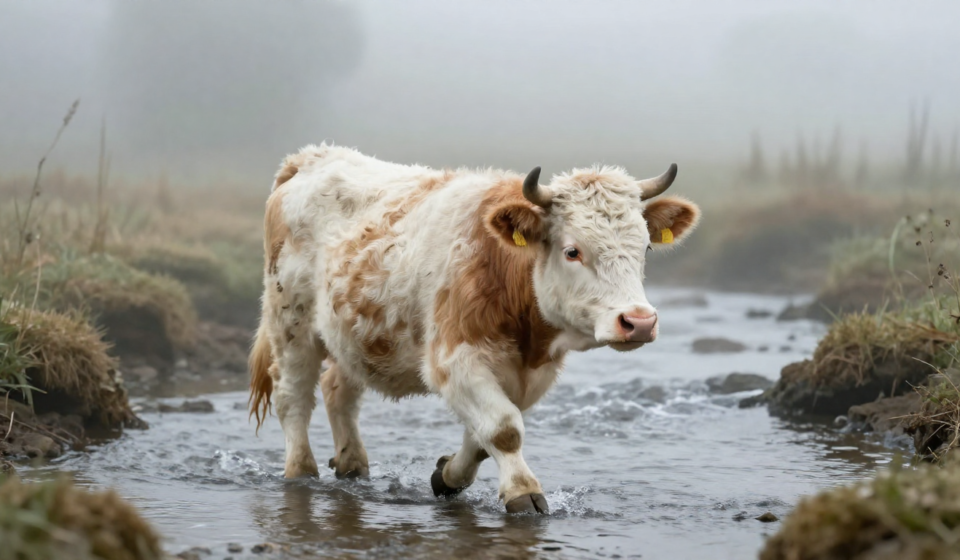

Mini Cow: The Complete Guide to Breeds, Care, Costs and Ownership
Mini cows have become one of the fastest-growing trends among hobby farmers, homesteaders, and animal lovers. Their compact size, gentle personalities, and lower maintenance requirements make them an attractive alternative to standard cattle. Whether you want a family-friendly farm animal, a sustainable source of milk, or simply enjoy raising unique livestock, a mini cow can be an excellent choice.
Unlike full-sized cattle that require large grazing areas and extensive resources, miniature cows fit well on smaller properties. They are easier to handle, consume less feed, and often develop close bonds with their owners. As interest in sustainable farming continues to grow, miniature cattle are becoming increasingly popular across many countries.
This guide explains everything you need to know about mini cows, including their characteristics, popular breeds, feeding requirements, housing, costs, health care, and practical ownership tips.
What Is a Mini Cow?
A mini cow is a smaller version of traditional cattle that has been selectively bred for reduced height and body size while maintaining many of the same characteristics as standard breeds. Although they are significantly smaller, mini cows are still true cattle and require proper care, nutrition, and management.
Most miniature cows stand between 36 and 48 inches tall at the shoulder, depending on the breed. Their weight generally ranges from 500 to 900 pounds, compared with full-sized cattle that may weigh more than 1,500 pounds.
Mini cows are commonly raised for:
- Small-scale farming
- Hobby farms
- Milk production
- Educational farms
- Pets
- Sustainable agriculture
Their manageable size makes daily care much easier, especially for first-time livestock owners.
Popular Mini Cow Breeds
Several miniature cattle breeds are available, each with unique characteristics and purposes.
Miniature Highland Cow
The Miniature Highland is among the most recognizable breeds because of its long, shaggy coat and curved horns.
Characteristics include:
- Calm temperament
- Excellent cold-weather tolerance
- Attractive appearance
- Hardy health
They are popular on hobby farms and educational properties.
Miniature Dexter
Dexter cattle originated in Ireland and are valued for their versatility.
Benefits include:
- Good milk production
- Quality beef
- Friendly personality
- Easy management
Dexters adapt well to smaller farms.
Miniature Jersey
Miniature Jersey cows are known for producing rich, creamy milk with high butterfat content.
They are ideal for families wanting fresh milk without managing a full-sized dairy cow.
Miniature Hereford
Miniature Herefords retain the appearance of traditional Herefords while requiring less space and feed.
They are appreciated for their calm behavior and adaptability.
Why Mini Cows Are Becoming So Popular
Interest in miniature livestock has increased dramatically in recent years.
Several factors explain this growing popularity.
Perfect for Small Farms
Not everyone owns hundreds of acres.
Mini cows require significantly less grazing land than conventional cattle, making them practical for smaller properties.
Easier to Handle
Their smaller size makes routine care safer and less intimidating.
Tasks such as feeding, grooming, and veterinary care become easier for beginners.
Lower Feed Costs
Mini cows generally consume less forage and supplemental feed than larger breeds.
This reduces ongoing maintenance expenses.
Friendly Temperament
Many miniature breeds are naturally calm and social.
With regular interaction, they often become comfortable around people and other farm animals.
Their gentle personalities make them popular with families and educational farms.
Housing and Daily Care
Although mini cows require less space than standard cattle, they still need suitable housing and daily attention.
Shelter
Every mini cow should have access to protection from:
- Rain
- Snow
- Strong winds
- Excessive heat
Simple barns or three-sided shelters are often sufficient.
Fencing
Secure fencing keeps cattle safe while preventing escapes.
Strong woven wire fencing or properly maintained electric fencing works well for miniature cattle.
Clean Water
Fresh drinking water should always be available.
Water requirements increase during warm weather and lactation.
Daily Observation
Owners should monitor:
- Appetite
- Movement
- Behavior
- Coat condition
- General health
Early detection of illness often leads to quicker treatment.
Feeding Requirements
Proper nutrition plays a major role in maintaining healthy miniature cattle.
Most mini cows thrive on quality pasture combined with hay during seasons when grazing is limited.
Typical diets include:
- Fresh pasture
- Grass hay
- Mineral supplements
- Clean water
Some animals may require grain depending on age, activity level, pregnancy, or milk production.
Avoid overfeeding because miniature cattle can become overweight more easily than larger breeds.
Working with a veterinarian or livestock nutrition specialist helps ensure balanced feeding programs.
How Much Does a Mini Cow Cost?
Purchase prices vary depending on breed, age, genetics, registration, and location.
Typical price ranges include:
- Young calves
- Breeding females
- Registered breeding stock
- Show-quality animals
In addition to the purchase price, owners should budget for:
- Feed
- Veterinary care
- Shelter
- Fencing
- Equipment
- Insurance where applicable
While miniature cattle often cost more initially than commercial cattle, many owners value their easier management and lower long-term feed costs.
Health, Lifespan and Veterinary Care
Healthy mini cows often live between 15 and 20 years with proper management.
Routine healthcare includes:
- Vaccinations
- Parasite control
- Hoof trimming
- Dental checks
- Regular veterinary examinations
Preventive care helps reduce serious health problems later.
Providing clean housing, balanced nutrition, and adequate exercise supports long-term well-being.
Responsible owners should establish a relationship with a veterinarian experienced in cattle care.
Is a Mini Cow Right for You?
Before purchasing miniature cattle, consider whether your property and lifestyle are suitable.
Ask yourself:
- Do I have enough grazing space?
- Can I provide daily care?
- Is veterinary support available nearby?
- Can I afford long-term maintenance?
- Do local regulations allow livestock?
Owning livestock requires commitment.
Mini cows may be easier to manage than standard cattle, but they still depend on responsible care every day.
People who enjoy farming, gardening, and animal care often find miniature cattle rewarding additions to their property.
Frequently Asked Questions
How big does a mini cow get?
Most miniature cows stand between 36 and 48 inches tall and weigh approximately 500 to 900 pounds, depending on the breed.
Are mini cows good pets?
Many miniature breeds have gentle personalities and become friendly with regular handling. However, they are still livestock and require proper housing and care.
How much land does a mini cow need?
The exact amount depends on pasture quality, climate, and management practices. Smaller cattle generally require less grazing area than standard breeds.
Do mini cows produce milk?
Some breeds, especially Miniature Jerseys and Dexters, produce milk suitable for small households.
How long do mini cows live?
With proper nutrition and veterinary care, miniature cattle often live between 15 and 20 years.
Are mini cows expensive to maintain?
Although they require ongoing expenses for feed, healthcare, and shelter, miniature cattle generally consume less feed than larger breeds, which can reduce long-term costs.
Final Thoughts
Mini cows combine charm, practicality, and sustainability in a way that appeals to modern homesteaders and small-scale farmers. Their manageable size, friendly temperament, and versatility make them suitable for hobby farms, educational settings, and families interested in raising livestock.
Before bringing home a mini cow, spend time researching breeds, understanding nutritional needs, preparing suitable housing, and planning for long-term care. Responsible ownership begins long before the animal arrives.
Whether your goal is producing fresh milk, creating a sustainable homestead, or simply enjoying life with gentle farm animals, miniature cattle can become valuable companions and productive members of your farm. With proper care and attention, a mini cow can provide years of enjoyment while contributing to a healthy and rewarding farming lifestyle.
Read Also: 欧乐 Guide: Features, Services and User Experience Online