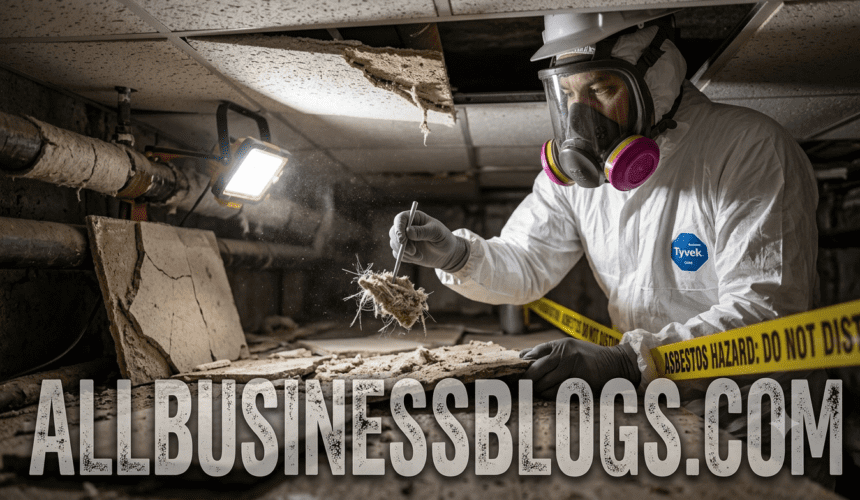

In the modern world of construction, environmental safety, and industrial awareness, many terms emerge that relate to hazardous materials and public health concerns. One such term is asbestlint Although not widely used in everyday language, it is closely associated with asbestos-related fibers or fine dust particles that can be harmful when inhaled. Understanding asbestlint is extremely important because it connects directly to building safety, air quality, and long-term health risks. Many older buildings, industrial environments, and construction materials may still contain asbestos-based substances that can break down into microscopic fibers over time. These fibers may spread into the air and create invisible hazards. This article provides a complete and detailed guide to asbestlint, including its meaning, possible sources, health dangers, prevention methods, and why awareness is essential in today’s world.
What is Asbestlint?
Asbestlint can be understood as a term referring to fine, lint-like particles derived from asbestos materials. Asbestos itself is a naturally occurring mineral that was widely used in construction and manufacturing due to its heat resistance, durability, and insulating properties. However, when asbestos materials degrade, they can release extremely thin fibers into the air. These fibers may appear like dust or lint and can remain suspended for long periods.
Asbestlint is not a formal scientific classification but is commonly used in conceptual or descriptive contexts to refer to this dangerous airborne asbestos dust. These fibers are so small that they cannot be seen easily with the naked eye, yet they can be inhaled deep into the lungs, making them a serious health hazard. Because of this, asbestlint is strongly associated with environmental contamination, building deterioration, and occupational exposure risks.
Sources of Asbestlint in the Environment
Asbestlint typically originates from materials that contain asbestos and begin to break down over time. One of the most common sources is old building materials, especially in structures built before modern safety regulations restricted asbestos use. Items such as insulation boards, ceiling tiles, cement sheets, and pipe coatings may gradually deteriorate and release fine fibers.
Another source is industrial environments, where asbestos was historically used in machinery, fireproofing materials, and heat-resistant equipment. Over time, wear and tear can cause these materials to shed microscopic particles. Renovation or demolition activities are also major contributors, as disturbing asbestos-containing structures can release large amounts of airborne fibers.
Even natural aging of asbestos materials can produce asbestlint without any direct human interference. This makes it particularly dangerous because exposure may occur without obvious warning signs or visible dust clouds.
Health Risks of Asbestlint Exposure
Exposure to asbestlint is considered highly dangerous because inhaling asbestos fibers can lead to serious long-term health problems. One of the most significant risks is lung damage, as the fibers can become trapped in lung tissue and remain there for years. Over time, this can cause inflammation and scarring, reducing lung function.
Another major health risk is asbestosis, a chronic lung disease caused by prolonged exposure to asbestos fibers. Symptoms may include shortness of breath, persistent coughing, and chest discomfort. In more severe cases, exposure to asbestos fibers is also linked to lung cancer and mesothelioma, a rare but aggressive cancer affecting the lining of the lungs or abdomen.
What makes asbestlint especially dangerous is its invisibility and persistence. The fibers do not dissolve or break down easily inside the body, meaning even small exposures over time can accumulate into serious health conditions. This is why strict safety regulations exist around asbestos handling in many countries.
How Asbestlint Spreads in Buildings
In older buildings, asbestlint can spread through air circulation systems, cracks in walls, or damaged insulation materials. When asbestos-containing materials become brittle, they release fibers that mix with indoor dust. Activities such as drilling, sanding, or renovation can significantly increase fiber release.
Poor ventilation can make the situation worse by allowing fibers to accumulate in enclosed spaces. Once airborne, these particles can remain suspended for long periods and spread to different areas of a building. This is why asbestos management is a critical part of building maintenance and environmental health safety.
Safety Measures and Prevention
Preventing exposure to asbestlint requires careful management and professional handling of asbestos-containing materials. One of the most important safety measures is avoidance of disturbance. If asbestos materials are suspected in a building, they should not be cut, drilled, or damaged without proper safety procedures.
Professional inspection is essential before renovation or demolition work. Trained specialists use protective equipment and testing methods to identify asbestos presence. In many cases, asbestos is either sealed or removed under controlled conditions to prevent fiber release.
Air quality monitoring is another important safety step, especially in older buildings. Using proper ventilation systems and containment procedures can reduce the risk of fiber spread. It is also important that individuals working in high-risk environments wear protective equipment such as respirators designed to filter microscopic particles.
Why Awareness of Asbestlint is Important
Awareness of asbestlint is crucial because many people may still live or work in environments where asbestos materials exist without knowing it. Unlike visible hazards, asbestos fibers cannot be easily detected, making education and awareness the first line of defense.
Understanding the risks helps individuals take preventive actions, such as avoiding unnecessary disturbance of old materials and seeking professional help when renovation work is needed. Governments and safety organizations continue to promote asbestos awareness programs to reduce exposure risks and protect public health.
Future Outlook on Asbestlint and Asbestos Safety
The future of asbestos-related safety is focused on elimination, regulation, and advanced detection technologies. Many countries have already banned or restricted asbestos use, but older buildings still pose challenges. As technology advances, new methods for detecting airborne fibers and safely removing contaminated materials are being developed.
In the long term, the goal is to completely eliminate exposure risks through safe removal and replacement of asbestos-containing materials. Until then, awareness and proper safety practices remain essential in reducing the dangers associated with asbestlint.
Conclusion
Asbestlint represents a serious environmental and health concern linked to the breakdown of asbestos-containing materials into fine airborne fibers. Although the term may not be widely recognized in scientific literature, it effectively describes the dangerous dust-like particles that pose long-term health risks. Understanding its sources, health effects, and prevention methods is essential for maintaining safe living and working environments. With proper awareness, professional handling, and strict safety measures, exposure risks can be significantly reduced. As societies continue to move toward safer building practices and stricter regulations, the dangers associated with asbestlint can be minimized, protecting future generations from its harmful effects.
❓ FAQ – Asbestlint
1. What is asbestlint?
Asbestlint refers to fine asbestos-like fibers or dust particles released from deteriorating asbestos materials.
2. Why is asbestlint dangerous?
It is dangerous because inhaling asbestos fibers can cause lung diseases, cancer, and long-term respiratory damage.
3. Where is asbestlint commonly found?
It is usually found in older buildings, insulation materials, and industrial environments containing asbestos.
4. Can asbestlint be seen with the naked eye?
No, the fibers are extremely small and usually invisible without specialized equipment.
5. How can exposure to asbestlint be prevented?
Prevention includes professional asbestos inspection, avoiding disturbance of old materials, and using protective safety equipment.