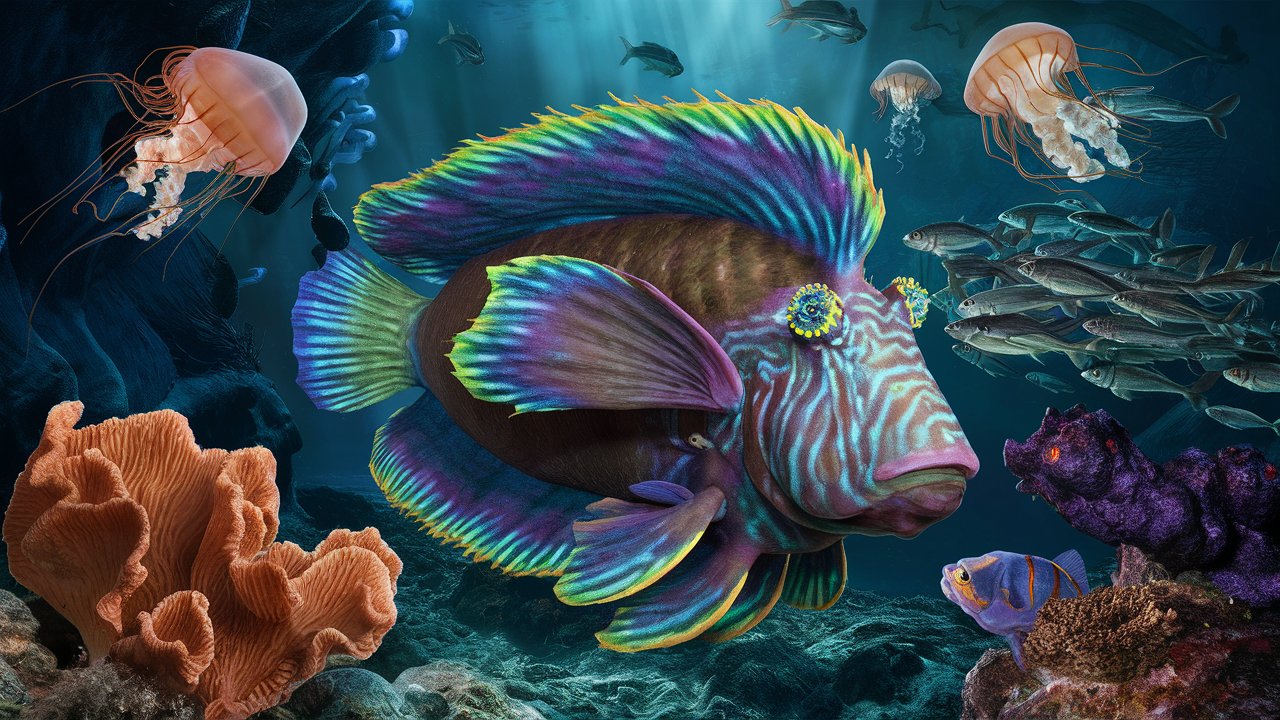

Piragnia is a term that has recently attracted attention online, leading many people to search for its meaning, origin, and possible connection to aquatic life. Although the word may appear unusual, it is often associated with discussions about piranhas, internet culture, spelling variations, and digital trends. Many users encounter the term through websites, social media posts, forums, or search engine results and become curious about what it actually means. Unlike officially recognized scientific names or dictionary entries, Piragnia exists primarily as an internet-driven term that has developed its own identity through online discussions. Some people use it as an alternative spelling, while others view it as a unique keyword with its own growing popularity. As internet culture continues to create and spread new words, terms like Piragnia become interesting examples of how language evolves in the digital age. This guide explores Piragnia in detail, including its background, uses, misconceptions, popularity, and cultural significance.
Quick Facts About Piragnia
| Feature | Details |
|---|---|
| Name | Piragnia |
| Type | Internet Term |
| Category | Digital Culture |
| Main Focus | Online Discussions |
| Related To | Piranha |
| Origin | Internet Usage |
| Official Dictionary Entry | No |
| Scientific Classification | None |
| Popularity | Growing |
| Common Searches | Meaning and Facts |
| Main Audience | General Internet Users |
| Online Presence | Blogs and Forums |
| Educational Value | Language Trends |
| SEO Interest | Moderate |
| Common Misconception | Real Fish Species |
| Usage Style | Informal |
| Future Potential | Continued Online Growth |
What Does Piragnia Mean?
Piragnia is commonly viewed as a variation or alternative spelling related to the word “piranha.” In many online discussions, users encounter the term when searching for information about fish, aquatic ecosystems, or unusual internet words. Because there is no official scientific recognition of Piragnia, its meaning comes largely from internet usage and community interpretation.
The interesting aspect of Piragnia is that different users may understand it in different ways. Some treat it as a simple spelling variation, while others see it as a unique internet term that has developed its own identity. This flexibility allows the word to remain relevant across multiple digital platforms.
As online communication evolves, many new words emerge from typing mistakes, memes, creative writing, and social media trends. Piragnia appears to fit within this broader pattern. Its growing visibility demonstrates how internet culture can transform an unfamiliar term into a searchable topic that attracts curiosity from people around the world.
The Origins of Piragnia
The exact origin of Piragnia remains unclear, which is common for many internet-generated terms. Some researchers believe the word emerged through repeated spelling variations of “piranha.” Others suggest it developed through online conversations where users intentionally modified familiar words to create unique expressions.
Internet language changes quickly. New terms can appear overnight and spread across platforms within days. A word does not necessarily need an official definition to become popular. Instead, repeated usage can give it meaning and recognition.
Piragnia represents this phenomenon perfectly. Whether it began as a typo, a joke, or a creative variation, its continued appearance in online discussions has given it a degree of visibility. As more people search for its meaning, the term gains additional relevance and becomes part of the broader digital language landscape.
Why Piragnia Is Gaining Attention
One reason Piragnia is gaining attention is simple curiosity. People often search for unfamiliar words when they encounter them online. Since Piragnia looks similar to a known word while remaining distinct, it naturally encourages questions.
Another factor is the growth of niche internet content. Blogs, forums, and social media communities frequently discuss unusual terms and emerging trends. This exposure increases awareness and drives additional searches.
The uniqueness of the word also contributes to its popularity. Unlike common keywords that compete with millions of search results, Piragnia stands out because it is relatively uncommon. This makes it memorable and easy to recognize.
As digital communication continues evolving, unusual words often gain popularity through repeated sharing and discussion. Piragnia reflects this pattern and demonstrates how online communities influence language development.
Piragnia and Its Connection to Piranhas
The strongest association linked to Piragnia is its similarity to piranhas. Piranhas are freshwater fish known for their sharp teeth and powerful feeding behavior. They are native to South American river systems and have been the subject of documentaries, movies, and scientific studies.
Many people who search for Piragnia assume it is related to piranhas because of the spelling resemblance. This connection contributes significantly to the term’s visibility. Even though Piragnia is not a recognized species, the similarity encourages users to investigate further.
The relationship between the two terms highlights how internet language can evolve from existing words. By changing only a few letters, a familiar concept becomes something new and intriguing.
How Internet Culture Creates Terms Like Piragnia
Internet culture constantly produces new words. Social media platforms encourage creativity, humor, and experimentation with language. Users often create new expressions by combining words, modifying spellings, or inventing entirely original terms.
Piragnia appears to be one example of this process. The internet rewards originality, and unusual words often spread because they are memorable. Once enough people use a term, it begins to develop recognition and meaning.
This pattern has occurred many times throughout internet history. Words that started as jokes or mistakes have eventually become accepted parts of online communication. Piragnia demonstrates how digital communities continue shaping modern language in unexpected ways.
The Role of Search Engines in Piragnia’s Popularity
Search engines play an important role in the growth of unusual keywords. When users repeatedly search for a term, search algorithms begin recognizing it as a topic of interest.
Piragnia benefits from this process. As more people search for its meaning, websites create content about it, which generates additional visibility. This creates a cycle where interest leads to more information, which then attracts even more searches.
The rise of curiosity-driven content has made it easier for uncommon terms to gain attention. Search engines help connect users with information, even when a word lacks traditional recognition. This contributes to the growing presence of Piragnia online.
Piragnia as a Digital Keyword
From an SEO perspective, Piragnia represents an interesting keyword opportunity. Since it is relatively uncommon, there is less competition compared to highly popular search terms.
Content creators often target unique keywords because they can achieve visibility more easily. Articles, blog posts, and educational content about Piragnia may attract readers interested in learning about unusual internet terms.
This demonstrates how digital marketing and search behavior intersect. Even words without official definitions can become valuable topics when they generate sufficient curiosity and engagement.
Common Myths About Piragnia
Several myths surround Piragnia. One common misconception is that it is an officially recognized fish species. Another is that it has a specific scientific classification.
In reality, there is no widely accepted scientific evidence supporting these claims. Most references describe Piragnia as an internet-related term rather than a biological category.
Understanding these misconceptions helps readers separate online speculation from factual information. It also illustrates the importance of verifying information before accepting claims found on the internet.
Piragnia and Online Communities
Online communities play a major role in spreading unusual terms. Forums, social networks, and discussion groups often adopt words that reflect their culture and sense of humor.
Piragnia benefits from this environment because it is flexible and open to interpretation. Users can apply their own meanings while participating in shared discussions.
Community-driven language helps strengthen engagement and identity. Terms like Piragnia become part of collective online experiences, even when they lack formal definitions.
The Future of Piragnia
The future of Piragnia depends largely on continued online interest. Some internet terms disappear quickly, while others become lasting parts of digital culture.
Piragnia has several qualities that support longevity. It is memorable, visually distinctive, and connected to a familiar concept. These factors increase the likelihood that people will continue discussing and searching for it.
As internet language continues evolving, new opportunities for growth may emerge. Whether Piragnia remains a niche keyword or develops broader recognition, it already represents an interesting example of digital communication.
Language Evolution and Piragnia
Language constantly changes as people create new ways to communicate. The internet accelerates this process by allowing words to spread globally within hours.
Piragnia illustrates how digital environments encourage experimentation. Users are no longer limited to traditional vocabulary. Instead, they can invent and share new expressions that reflect their experiences and creativity.
Conclusion
Piragnia is an intriguing internet term that demonstrates the power of digital culture to create and spread new language. While it is not a recognized scientific species or official dictionary word, it has gained attention through curiosity, online discussions, and its connection to piranhas. Its growing popularity reflects broader trends in internet communication, where creativity and community participation shape the words people use. As digital platforms continue evolving, terms like Piragnia will remain valuable examples of how language adapts to new environments and technologies.
Frequently Asked Questions
1. What is Piragnia?
Piragnia is an internet term often associated with piranhas and online language trends.
2. Is Piragnia a real fish species?
No. There is no recognized scientific classification for a species called Piragnia.
3. Why do people search for Piragnia?
People search for it because of curiosity, online discussions, and its similarity to the word piranha.
4. Where did the term Piragnia come from?
Its exact origin is unknown, but it is believed to have developed through internet usage and spelling variations.
5. Will Piragnia continue to be popular?
Its future depends on ongoing online interest, but it currently remains a notable internet keyword and discussion topic.